The Evolution of Esports: From Niche Hobby to Mainstream Phenomenon
Introduction: Defining Esports and Its Early Days
Esports is organized competitive gaming where individuals or teams compete in video games at professional levels. It began as a niche hobby among small groups of enthusiasts in the 1970s and 1980s, evolving gradually into a structured global industry.
The roots of esports date back to early arcade game competitions and multiplayer PC battles, where titles like Space Invaders and Doom captured player interest. These early gatherings were informal but laid the foundation for competitive gaming culture. The term "esports" itself, shorthand for electronic sports, signals its alignment with traditional sports through skill, strategy, and competition.
At this stage, esports was mostly limited to local arcades and university clubs, lacking widespread visibility or professional infrastructure. However, a growing community valued its unique blend of technology and competition, setting the stage for future transformation.
Milestones in Esports Growth: Key Events and Turning Points
The evolution of esports accelerated through pivotal milestones that brought competitive gaming into the spotlight. The first major esports tournament is widely recognized as the 1997 Red Annihilation event for Quake, a pioneering milestone that offered cash prizes and live competition coverage.
Another turning point came with the rise of games like StarCraft in South Korea, where esports exploded into a televised phenomenon in the early 2000s. The Korean e-Sports Association (KeSPA) formalized leagues and professional player contracts, fostering a vibrant competitive scene with millions of fans.
Major tournaments like The International for Dota 2 and the League of Legends World Championship further legitimized esports with unprecedented prize pools, professional team structures, and global audiences. ESL (Electronic Sports League) expanded massively with multi-title competitions, while the introduction of franchised leagues like the Overwatch League blurred lines with traditional sports leagues.
Each milestone marked esports’ steady climb from informal gatherings to a recognized professional sport with regular seasons, media coverage, and international recognition.
The Role of Technology and Streaming in Esports Popularity
Streaming platforms like Twitch and YouTube Gaming have been indispensable catalysts for esports’ explosive audience growth. Online streaming enables fans worldwide to watch live gameplay and interact in real time without geographic limitations.
High-speed internet and widespread availability of smartphones and PCs brought esports into millions of homes. The ascendancy of streaming transformed esports from an underground subculture to a daily entertainment staple with millions tuned in to events and player channels.
Streaming platforms foster community engagement through live chat, fan donations, and influencer culture, amplifying player personalities and competitive drama. Twitch’s success illustrates how esports thrives on accessible technology and interactive social experiences.
Besides streaming, advances in game development, broadcasting technology, and esports-specific production created cinematic viewing experiences that appeal far beyond hardcore gamers to casual viewers and traditional sports fans alike.
Iconic Games and Competitive Scenes Driving the Industry
Several marquee esports titles have shaped competitive gaming culture by building passionate player bases and evolving gameplay that rewards skill, team coordination, and strategy.
- League of Legends (LoL): A multiplayer online battle arena (MOBA) game, LoL boasts one of the largest esports ecosystems with yearly world championships and franchised leagues worldwide.
- Dota 2: Known for its complex mechanics, Dota 2’s The International tournament features record-breaking prize pools funded by community contributions.
- CS:GO (Counter-Strike: Global Offensive): A tactical first-person shooter, CS:GO maintains an intense competitive scene with numerous global tournaments and respected professional teams.
- Overwatch: This hero-based shooter popularized franchised leagues with city-based teams, blending esports professionalism with traditional sports models.
These games have not only attracted massive player bases but also evolved intricate meta-strategies, in-depth analysis, and fan communities that sustain engagement beyond casual gameplay. The competitive scenes for these titles continue to innovate with seasonal updates, balance patches, and tournament formats that keep esports dynamic and fresh.
The Business of Esports: Sponsorships, Prize Money, and Professionalization
Esports has grown into a billion-dollar industry fueled by sponsorship deals, lucrative prize pools, and the rise of professional teams and players. Sponsorships from technology brands, energy drinks, and apparel companies have become vital, injecting capital and marketing muscle into the scene.
Prize pools at apex tournaments have soared into the tens of millions; for example, The International 2023 boasted over $40 million in total prizes, incentivizing players to pursue esports as full-time careers. Professional organizations now support players with coaching, health resources, and brand representation, mirroring traditional sports team models.
This business ecosystem allows players to earn sustainable incomes through tournament winnings, salaries, streaming revenue, and endorsements. However, the industry also faces challenges such as sustainability of teams, player burnout, and balancing commercial interests with community authenticity.
Esports’ Integration with Traditional Sports and Mainstream Media
Esports has increasingly intersected with traditional sports and mainstream media, gaining recognition as a legitimate sporting discipline. Partnerships between esports organizations and established sports franchises have become common, with teams like the NBA’s Philadelphia 76ers owning Overwatch League teams.
Media outlets that once ignored esports now provide regular coverage, featuring esports events alongside traditional sports. This crossover validates esports as a spectacle that attracts similar audiences and advertisers.
Moreover, esports athletes have appeared in mainstream advertising campaigns, and traditional sports broadcasters have expanded into esports live event coverage. These developments blur the line between casual gaming culture and mass entertainment, fostering broader acceptance and new opportunities.
The Future of Esports: Trends and Challenges Ahead
The future of esports is poised for further growth but carries challenges that may shape its trajectory. Emerging trends include expanding mobile esports scenes, increasing use of virtual and augmented reality, and greater emphasis on diversity and inclusion within player and fan communities.
However, esports must address issues such as regulatory frameworks, player welfare, and market saturation as more games and leagues compete for audience attention. Balancing commercialization with maintaining grassroots authenticity will be key to long-term sustainability.
As technology advances and esports continues to integrate with global sports culture, it is likely to evolve into an even more immersive and engaging form of competitive entertainment that rivals traditional sports in scale and influence.
Frequently Asked Questions (FAQ)
What was the first major esports tournament?
The 1997 Red Annihilation tournament for Quake is widely considered the first major esports event, featuring cash prizes and live audience competition that set a precedent for future tournaments.
How is esports different from casual gaming?
Esports focuses on organized, skill-based competition among professional players or teams, supported by leagues and tournaments, while casual gaming is informal play primarily for entertainment without structured competition.
Which games have the biggest esports scenes?
Major esports titles include League of Legends, Dota 2, CS:GO, and Overwatch, each with large player bases, professional leagues, and significant prize pools.
How do esports players train and prepare?
Professional esports players undergo rigorous daily practice that includes mechanical skill drills, team strategy sessions, mental conditioning, and review of gameplay footage, similar to traditional athlete training.
What role does streaming play in esports growth?
Streaming platforms like Twitch enable esports to reach global audiences in real time, promote player personalities, and build fan communities, making it a cornerstone of esports popularity and revenue.
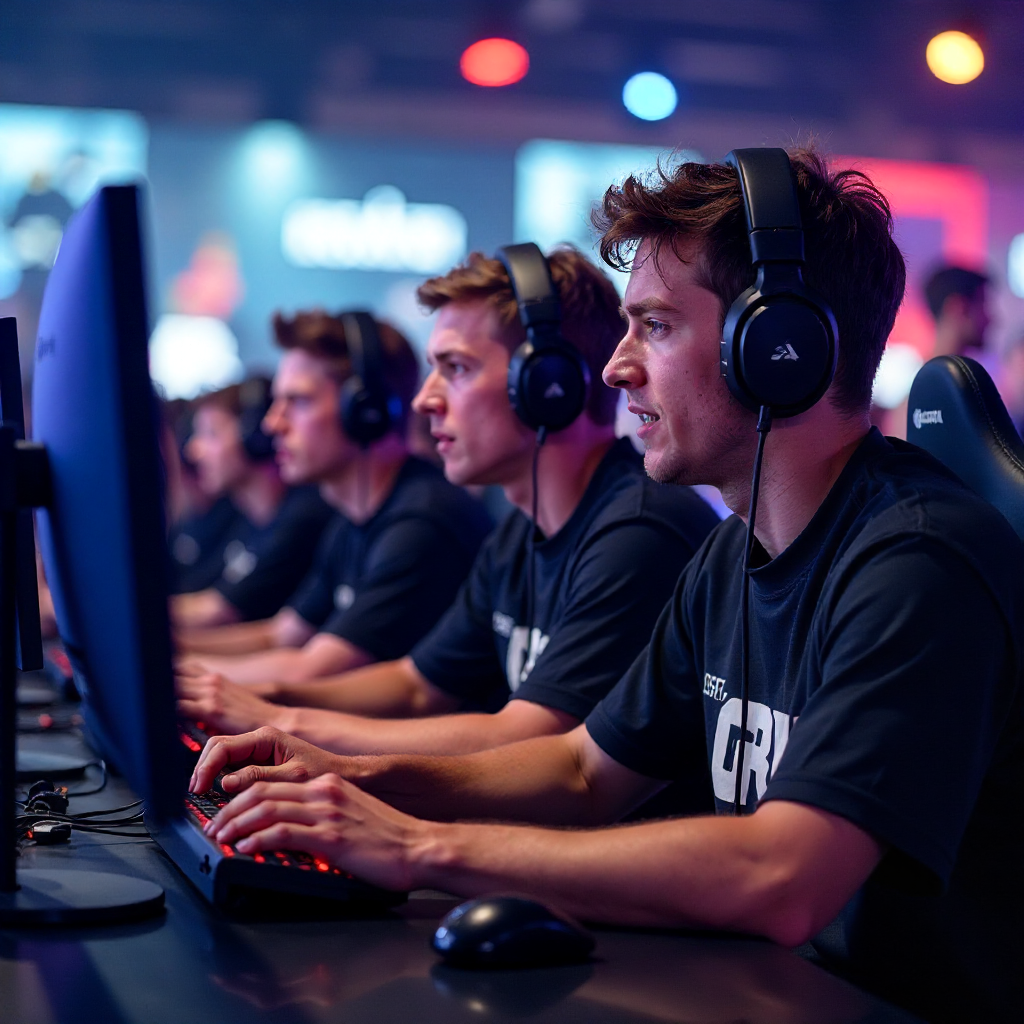

To explore more about esports history and details on iconic titles, visit the Wikipedia esports page for comprehensive insights.