The Psychology Behind Sports Fandom and Team Loyalty
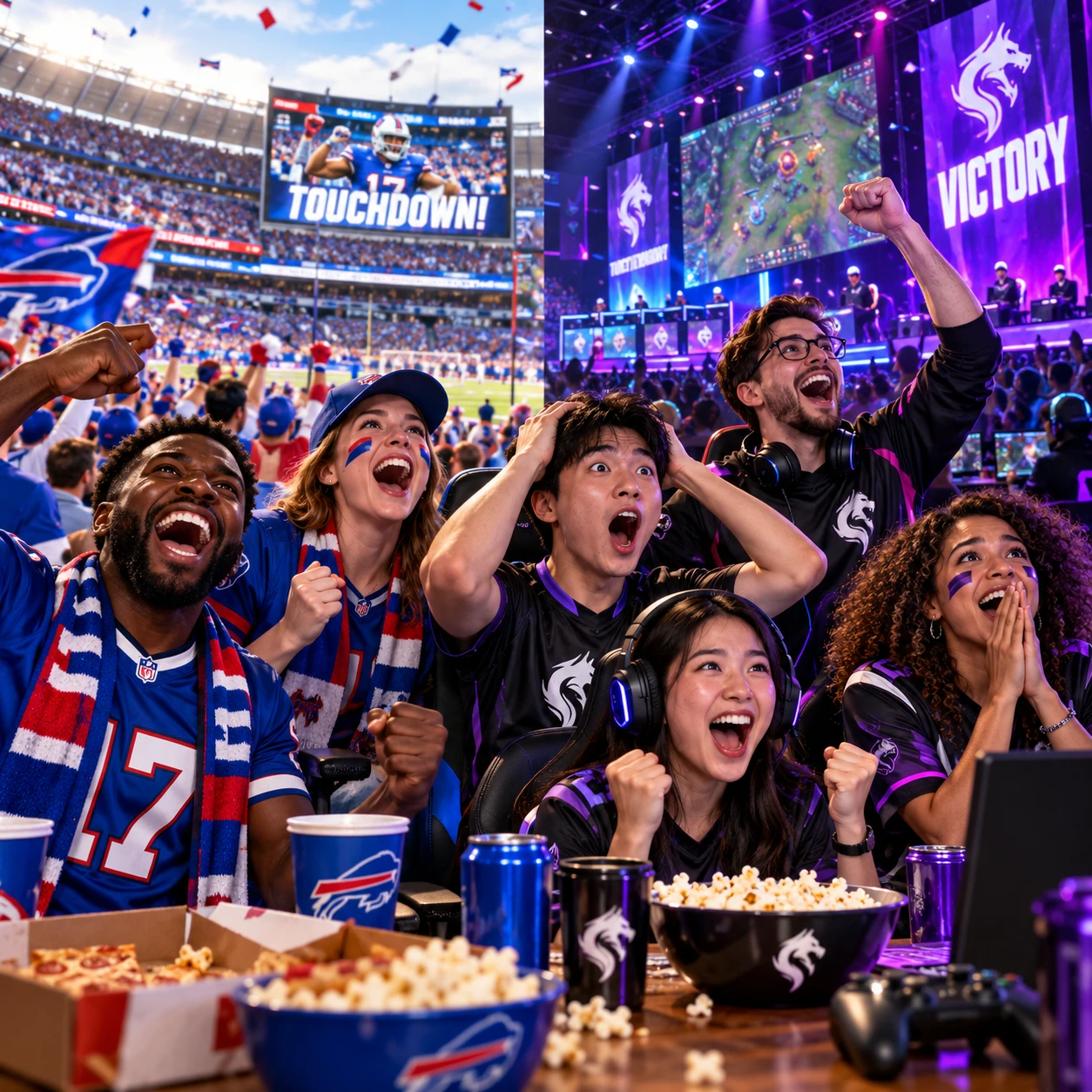
A fan stays through the losing seasons, argues over a close call, and remembers where they watched a championship years later. These habits can look like simple entertainment, but sports fandom often reaches into identity, relationships, and everyday life. Understanding the psychology behind team loyalty means looking at how people connect to a team, to one another, and to the emotions they experience together.
Why Fans Connect Their Identity to a Team
Fans connect their identity to a team when its history, values, or achievements become part of how they describe themselves. This social identity can provide pride and meaning, especially when the team represents a hometown, family tradition, or community.
Social identity is the part of a person’s self-concept that comes from membership in groups. A fan might say “we won” after a championship, even though they never stepped onto the field. That language reflects emotional attachment: the team’s outcome feels personally significant because the fan sees the team as part of an extended self.
Team identity can form in different ways. Someone may inherit allegiance from a parent, choose a club after moving to a new city, or discover a team through a favorite player. Others identify with a team’s style, underdog reputation, or local roots. There is no single motive, and the same person may support different teams for different reasons.
That connection has rewards and limits. **Team affiliation can offer pride and continuity**, but it can also make criticism feel personal. A useful distinction is between caring deeply about a team and treating every result as a judgment on your own worth. Fans can celebrate, disagree, and change their opinions without losing their place in the community.
Belonging, Community, and Shared Rituals
Fan communities build belonging through shared attention, familiar traditions, and repeated contact. Game-day rituals and group routines give people a way to participate together, whether they meet in a stadium, a living room, a pub, or an online chat.
A ritual can be as simple as wearing a scarf, preparing a certain meal, joining a pre-match call, or posting the same playful message before kickoff. Its meaning comes from repetition and recognition. Over time, the ritual signals, “I’m part of this group,” while making an ordinary match feel like a shared occasion.
Fan communities also create relationships that extend beyond the score. Supporters trade analysis, welcome newcomers, remember past seasons, and help one another through disappointment. In esports, a Discord server or livestream chat can offer this sense of connection across time zones. In traditional sports, a supporters’ club or a familiar section of the stands may play a similar role.
Shared rituals work best when they invite participation rather than demand conformity. A community can become difficult for newcomers if it treats one tradition, language, or level of knowledge as the only valid way to be a fan. **Belonging grows when members can join in without proving their loyalty** or knowing every statistic.
Why Loyalty Survives Losing Seasons and Change
Team loyalty can survive poor results because attachment is built over years, not reset after each match. Family ties, friendships, local identity, and memories of past seasons can matter as much as the current record.
Wins and losses shape the fan experience, but they do not always determine allegiance. A losing season may even bring supporters closer through shared frustration and hope. Fans follow a rebuild, debate a coach’s decisions, or keep showing up because the team’s story still feels like theirs. That commitment does not mean they enjoy every result; it means the relationship has other sources of meaning.
Continuity also helps explain loyalty through roster changes. Players leave, managers change, and organizations adopt new strategies, while a club’s name, colors, city, or traditions may remain. For some fans, the enduring institution is the anchor. Others follow a particular athlete or roster and may shift their attention when that person moves on. Both patterns are valid forms of fandom.
Relocation can test that bond more sharply. A team moving away may weaken the local connection, while longtime supporters may stay attached because of family history or memories tied to the former home. **Loyalty is durable, but it is not automatic**: teams that disregard their communities can erode trust even when fans have invested heavily.
Rivalries, Wins, and the Emotional Roller Coaster
Rivalries intensify fandom by giving competition a story and a familiar opponent. Wins can bring collective pride, while losses can prompt disappointment or debate; sharing those emotions often makes the relationship with the team feel more vivid.
A rivalry may grow from geography, historic matches, competing fan bases, or a series of close encounters. It helps fans understand what is at stake beyond the standings. The opponent becomes a reference point: beating them feels especially satisfying, and losing can sting more than a defeat against a less familiar team.
Competition also creates emotional peaks and valleys. A comeback, a last-minute goal, or an upset can become a lasting memory because fans experienced it together. A tough loss can do the same, especially when people revisit the match in conversation, clips, and community posts. **Shared emotion turns individual viewing into a social experience.**
Rivalry has a boundary, though. Playful banter can strengthen group identity, but harassment, threats, and demeaning abuse push competition into harm. Fans and teams can preserve the energy of a rivalry by focusing on the contest, not attacking people for their identity or background.
What Makes Esports Fandom Distinct—and Familiar
Esports fandom shares traditional sports’ core ingredients: team identity, competition, community, and emotional investment. It differs in how quickly rosters and organizations can change, and in the central role of online platforms and digital viewing.
Esports fans often encounter teams through livestreams, social media, highlight videos, and games themselves. They may follow a specific title such as League of Legends or Counter-Strike, then become attached to a player, roster, or organization. Online access can make fan communities highly visible and interactive: viewers can watch together, react in real time, and hear players speak directly to supporters.
That closeness can deepen emotional attachment, but it can also make change feel sudden. A roster may turn over between seasons, a team may change its name, or an organization may exit a competitive league. Fans then decide which element carries their loyalty: the players, the competitive identity, the game, or the community they found around it.
Traditional sports often have longer local histories and established match-day routines, though they also experience transfers, relocations, and ownership changes. Esports may build those traditions faster and across wider distances. In both settings, **fandom grows through repeated shared experiences**, not simply through the sport’s format.
How Teams and Communities Can Build Lasting Loyalty
Teams and fan communities can build lasting loyalty by earning trust, making participation welcoming, and giving supporters meaningful ways to connect. The strongest relationships develop through consistent actions over time, not a single campaign or winning streak.
A practical approach is to focus on three things: continuity, access, and respect. Continuity means explaining decisions and honoring the team’s history. Access means creating regular opportunities to follow players, ask questions, and meet other fans. Respect means listening when supporters raise concerns, especially around relocation, roster changes, or community standards.
- Keep communication clear. Share the reasons behind major changes when possible, while respecting player privacy and competitive considerations.
- Make rituals easy to join. Provide first-match guides, explain chants or online customs, and welcome casual supporters as well as longtime fans.
- Recognize fan contributions. Highlight supporter art, local chapters, community events, and thoughtful analysis rather than rewarding only loud or constant engagement.
- Set healthy rivalry norms. Encourage spirited competition while moderating threats, harassment, and targeted abuse.
There is a trade-off: more access can make a team feel close to its audience, but constant interaction can create expectations that players and staff cannot meet. Clear boundaries protect both sides. Loyalty becomes more meaningful when fans can care deeply without being pressured to spend, post, or defend the team at every turn.
Why do people become loyal to one team? Often, a team connects them to a place, a person, a group, or a story they want to keep following. Why do fans stay when a team keeps losing? Because community, memory, and identity can outlast a poor season. Esports fandom differs in its digital pace and reach, but it relies on many of the same human needs. Rivalries can strengthen loyalty when they create shared excitement without turning opponents into enemies.